



Porceddu
| Difficulty | Medium |
| Tempo di preparazione | 1 h |
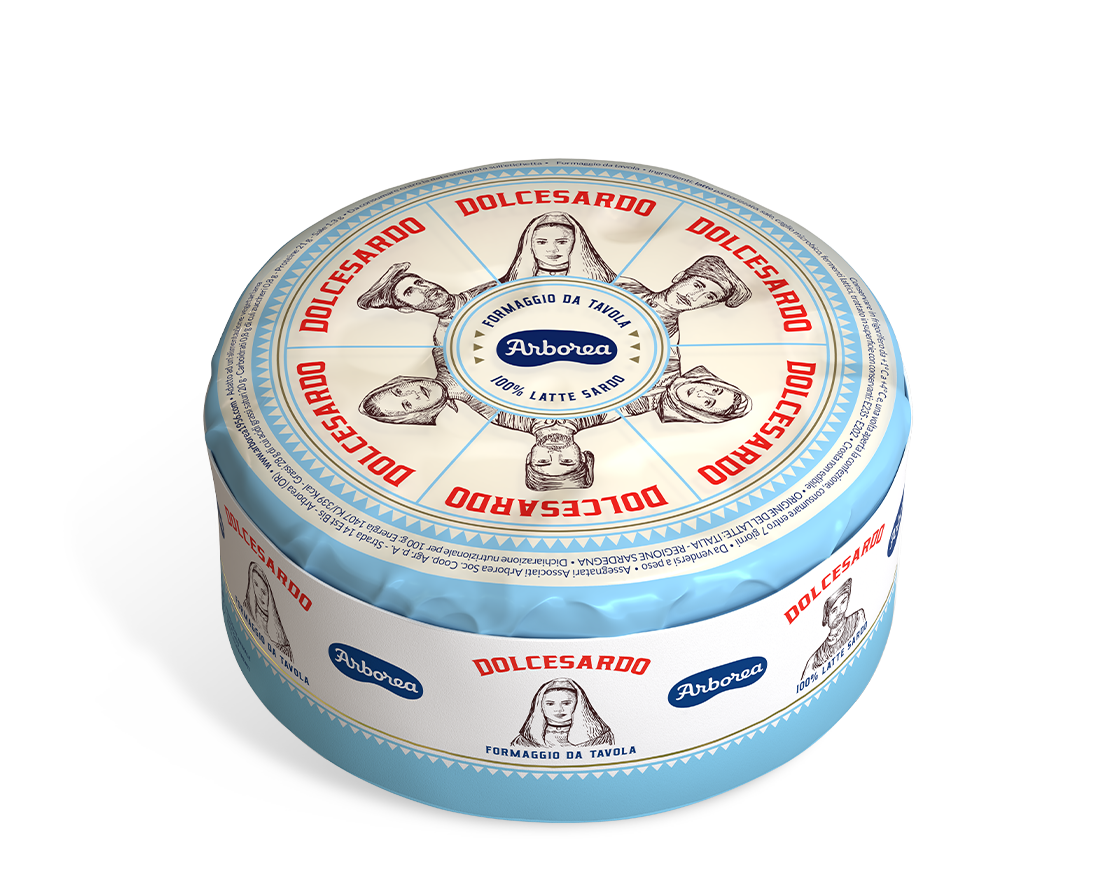
Dolcesardo
Description
Porceddu is a classic recipe of Sardinian cuisine , almost a symbol of this island of shepherds, farmers and uncontaminated lands.
To cook Sardinian porceddu well, it is important to choose the meat carefully , that is, a suckling pig , and cook it on a good grill , to ensure that a crunchy crust forms on the surface but the inside remains tender and inviting.
Although many marinate the meat or stuff it with herbs and spices, the tasty Sardinian pork cooked this way doesn’t need much added during cooking : its internal juices will make the meat tasty, and you can season it at the end of cooking with the characteristic myrtle sprigs.
Ingredients
to recalculate the ingredient amounts

Ingredients
| Suckling pig | Suckling pig | 4000 g |
|---|---|---|
| Salt | Salt | 20 g |
| Pepper | Pepper | 10 g |
| Myrtle sprigs | Myrtle sprigs | q.b. |
| Arborea Dolcesardo | Arborea Dolcesardo | q.b. |
| Homemade bread | Homemade bread | q.b. |
Instructions
- 1 To prepare the porceddu, start by cleaning the pig's skin, removing the larger bristles and burning the others. Then wash and dry it carefully, and then skewer it on the spit, placing it on the rotisserie about half a meter from the burning embers that you will have previously prepared using aromatic wood.
- 2 Let it cook thoroughly both inside and out: the meat should be tender and melt-in-the-mouth, while the crust should be nice and crispy. Season with salt twice during cooking... once at the beginning and once at the end.
- 3 While the porceddu is cooking, toast some homemade bread on a rack under the roasting pig so that the bread absorbs the meat's juices. Then, arrange some Dolcesardo slices on top and wait a few minutes for them to melt.
- 4 Once cooked, season the porceddu with salt, cut it into pieces, and serve on a serving platter, garnished with myrtle sprigs for a unique aroma. Serve with crostini with melted Dolcesardo.
Share this recipe
Did You Know?
The tradition of Sardinian suckling pig has ancient origins. In Sardinia, pig farming dates back to prehistoric times, and depictions, figurines, and pig bones dating back to 5,000 BC have been found. During the Roman Empire, Sardinian pigs were exported to Rome. Spanish colonization , which dominated the island for about two centuries, also contributed to its spread. Even today, in the Castile region, suckling pig is so popular that it has become a typical dish, despite being prepared differently from the Sardinian version, as it is cooked in the oven rather than on a spit .
This succulent dish was usually prepared by Sardinian shepherds only on special occasions , such as Easter, because it was considered a prized food that could certainly not be consumed every day: normally, the pig needed to be raised and slaughtered with a real ritual . This food was truly precious, as families could also obtain many other traditional products and cured meats from its meat, including black pudding, lard, ham, and sausages that were preserved and used in the following months.
Ricetta Lamb with Artichokes. Categoria: Main courses, Sardinian Main courses. Tempo: 30-60 min. Difficoltà: Easy.
Ricetta Lamb “in Bianco”. Categoria: Main courses. Tempo: > 60 min. Difficoltà: Medium.

Ricetta Lamb Casserole with Potatoes. Categoria: Main courses, Sardinian Main courses. Tempo: 30-60 min. Difficoltà: Easy.

Ricetta Bombas. Categoria: Main courses, Sardinian Main courses. Tempo: > 60 min. Difficoltà: Easy.
Ricetta Eels panada. Categoria: Main courses, Sardinian Main courses. Tempo: > 60 min. Difficoltà: Medium.

Arborea menus
With our menus, we bring Sardinia to the table, dish by dish.
Come and discover the most traditional recipes of our homeland, Sardinia. We’ve prepared some simple menus for every day and some more elaborate ones for special occasions.
